
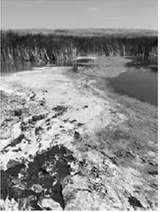
Cyanobacteria blooms can be exacerbated by prolonged high temperatures and stagnant water. (NDSU photo)
NDSU Agriculture Communication — Aug. 20, 2026 Drought conditions this summer have led to an increase in cyanobacterial blooms across the state.
“In 2026 alone, the North Dakota Department of Environmental Quality sampled 40 lakes to assess the occurrence of toxic cyanobacteria,” said Tate Libunao, environmental scientist at the NDDEQ.
While the NDDEQ’s monitoring is limited to lakes and reservoirs,…