USDA’s finalized rule could boost adoption of regenerative farming practices
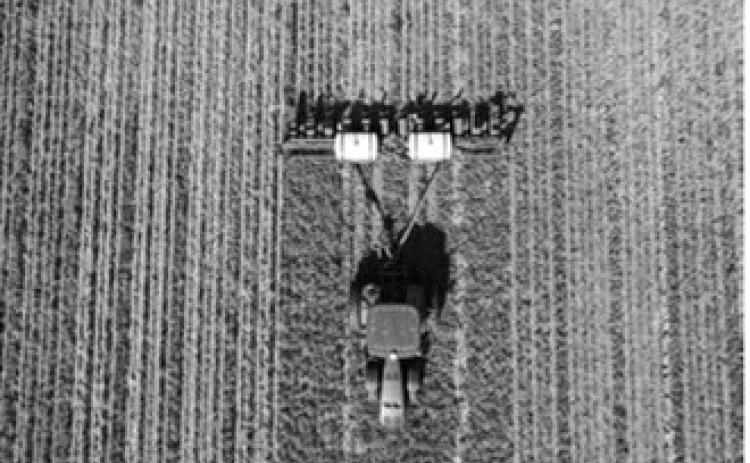
A farmer plants corn into a cover crop, which is one of several regenerative agriculture practices that a new federal rule holds can reduce the overall greenhouse gas emissions of producing ethanol. (Photo by Jacob Tosch/USDA)
Farmers growing corn and soybeans for biofuels can now quantify the carbon intensity of crops grown with certain regenerative agriculture practices, due to a recently finalized federal rule.
The U.S. Department of Agriculture’s Regenerative Feedstock Rule will allow farmers to “capture new value” from agricultural practices like cover crops and reduced tillage, according to a news release from the …