Hessian fly continues to increase in northeast North Dakota

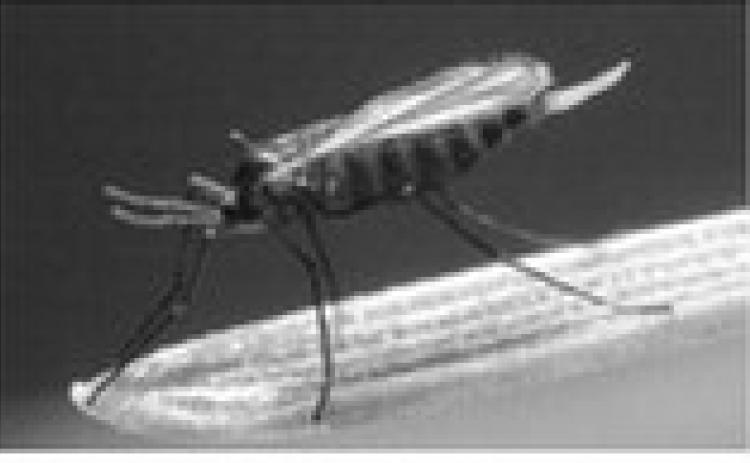
A female adult hessian fly with a reddish black body and long black legs. Courtesy: Scott Bauer, USDA Agricultural Research Service, Bugwood.org.

A female adult hessian fly with a reddish black body and long black legs. Courtesy: Scott Bauer, USDA Agricultural Research Service, Bugwood.org.

Hessian fly continues to increase in northeast North Dakota

Hessian fly continues to increase in northeast North Dakota

Hessian fly puparia (brown flax seed) and larvae (white). Submitted photos.

Hessian fly puparia (brown flax seed) and larvae (white). Submitted photos.

Hessian fly continues to increase in northeast North Dakota

Hessian fly continues to increase in northeast North Dakota

Hessian fly continues to increase in northeast North Dakota

Hessian fly continues to increase in northeast North Dakota

Field showing lodged wheat stems with flax seed shaped Hessian fly puparia. Submitted photos

Field showing lodged wheat stems with flax seed shaped Hessian fly puparia. Submitted photos

By Anitha Chirumamilla, extension cropping systems specialist, Langdon Research Extension Center Hessian fly (Mayetiola destructor Say) remains one of the most important insect pests of wheat in the United States. The insect was introduced to North America in the late 1770s on straw bedding used by Hessian soldiers during the American Revolution, first reported from Long Island. Since then, it has…